The Science Behind Asphalt: In-Depth Analysis with Stanley & Sons Pavement Apr 24, 2026
Asphalt is primarily composed of a mixture of aggregates, binder, and fillers. The aggregates are a combination of sand, gravel, and crushed stone, which give the asphalt its strength and durability. The binder is usually bitumen, a sticky, black, and viscous liquid or semi-solid form of petroleum. It’s the bitumen that binds the aggregate into one cohesive unit. This combination is crucial in providing both strength and flexibility, allowing the pavement to withstand heavy loads and various weather conditions.
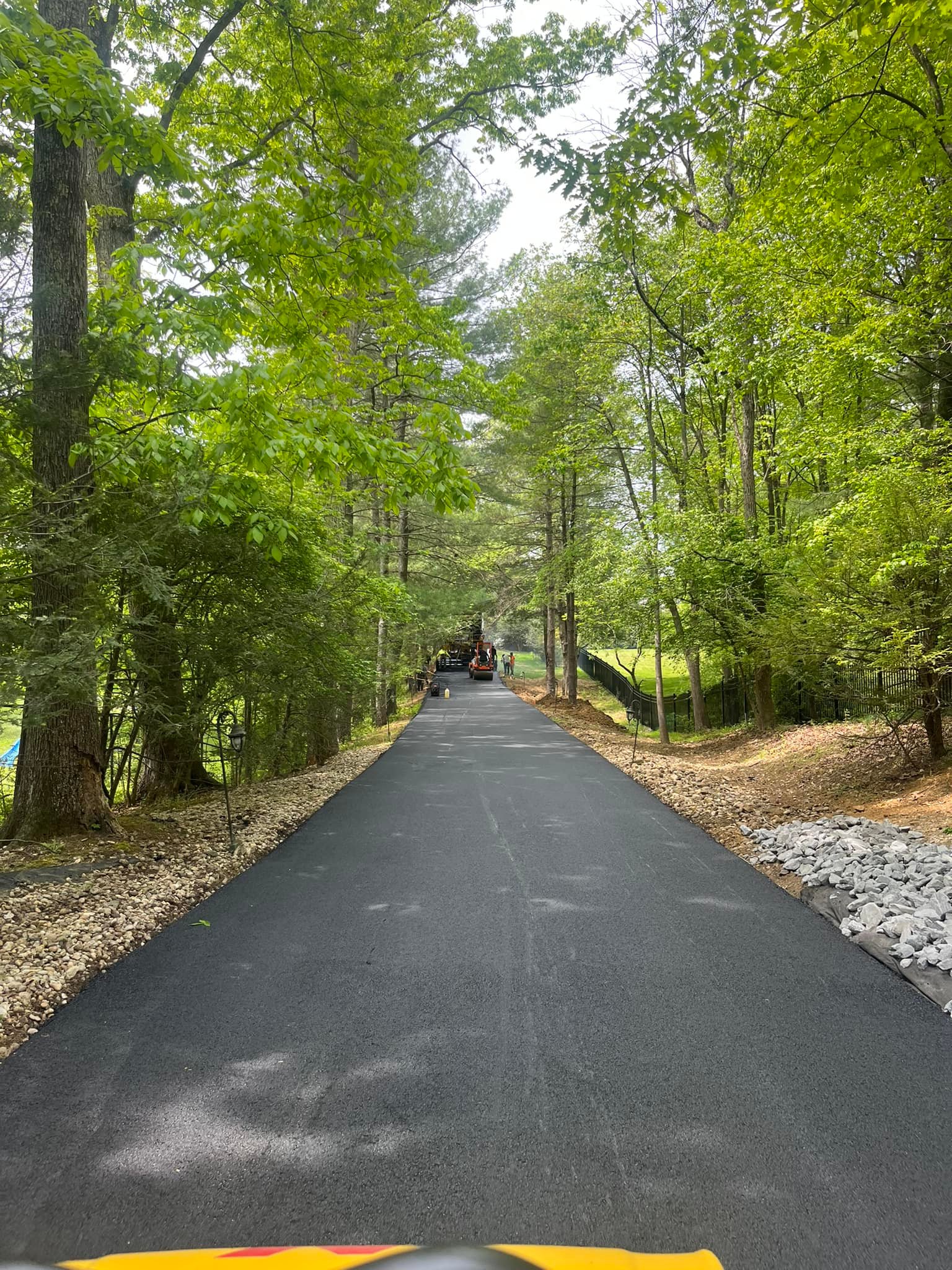
The production of asphalt begins with heating these components to a high temperature. This heating process helps the materials blend thoroughly, ensuring a uniform mixture that sets to a durable finish once cooled. The mixture is poured and spread over surfaces and then compacted to eliminate air pockets and achieve a stable, smooth layer of pavement. The precise balance in the mixture's composition is critical to the functionality and longevity of the asphalt pavement.
One of the standout qualities of asphalt is its recyclability. When old asphalt is removed, it can be crushed and reheated to be reused in new paving projects. This not only saves money but also conserves natural resources by reducing the need to extract new raw materials. Recycled asphalt maintains many of the original product's superior properties, which makes it an environmentally friendly choice for conscientious consumers and businesses.
Aside from its rejuvenating properties, the adaptation of asphalt in pavement also comes down to its ability to enhance safety and comfort. Asphalt surfaces are known for their smoothness and quietness, offering a more pleasant driving experience and reducing vehicle wear and tear. Moreover, asphalt can rapidly shed water, decreasing the risk of hydroplaning in wet conditions and allowing for better traction.
At Stanley & Sons Pavement, our commitment is to provide pavement solutions that not only meet but exceed the expectations of quality and sustainability. We employ advanced technology and cutting-edge techniques to ensure our asphalt installations are performed with precision and durability in mind. Our team of experts emphasizes proper installation and meticulous maintenance practices to lengthen the lifespan of your pavement, further reducing costs in the long run.
In conclusion, the science behind asphalt is not just about its physical properties but also its adaptability and impact on the environment. Choosing asphalt, with its blend of strength, flexibility, and recyclability, is a smart move for any paving project. At Stanley & Sons Pavement, we are dedicated to making that choice an easy one with our high-quality, customer-focused installations. Whether it’s a road, a parking lot, or a driveway, the application of asphalt serves as a testament to modern engineering’s ability to sustainably meet our infrastructure needs. If you're considering an asphalt project, we’re here to provide the expertise and results that will keep you and your surfaces secure and efficient for years to come.
/filters:no_upscale()/filters:format(webp)/media/9fbe31c1-5b60-40d0-bc80-a67a056f5be3.jpeg)