Mastering Asphalt Restoration: Techniques and Tips from Stanley & Sons Pavement Feb 07, 2026
Asphalt surfaces face numerous challenges, from harsh weather conditions to the constant pressure from vehicles. These factors can deteriorate your pavement over time, leading to common issues such as cracks, potholes, and fading. The key to maintaining your asphalt lies in timely and effective restoration practices that cater to the specifics of these problems.
Begin with a thorough inspection of your pavement. It's essential to identify the type and extent of deterioration before jumping into solutions. Look for telltale signs such as small cracks, surface raveling, and deeper potholes. A well-executed inspection helps in determining the right restoration technique which could range from simple crack sealing to more extensive resurfacing or patching.
Crack filling and sealing are widely regarded as essential techniques for minor imperfections. By filling small cracks, you prevent water from seeping in and causing more significant damage. Crack sealing involves applying a hot sealant that penetrates the cracks and bonds with the asphalt. This method protects the pavement against moisture, rocks, and other elements that could exacerbate the damage.
For larger issues such as potholes, patching is the recommended approach. This involves cleaning the affected area, removing any debris, and filling it with new asphalt material. There are different patching techniques, but cold patching is often preferred for its ease of use and effectiveness, especially in colder weather. It's crucial to thoroughly compact the patch to ensure a smooth, durable finish that aligns with the rest of the pavement.
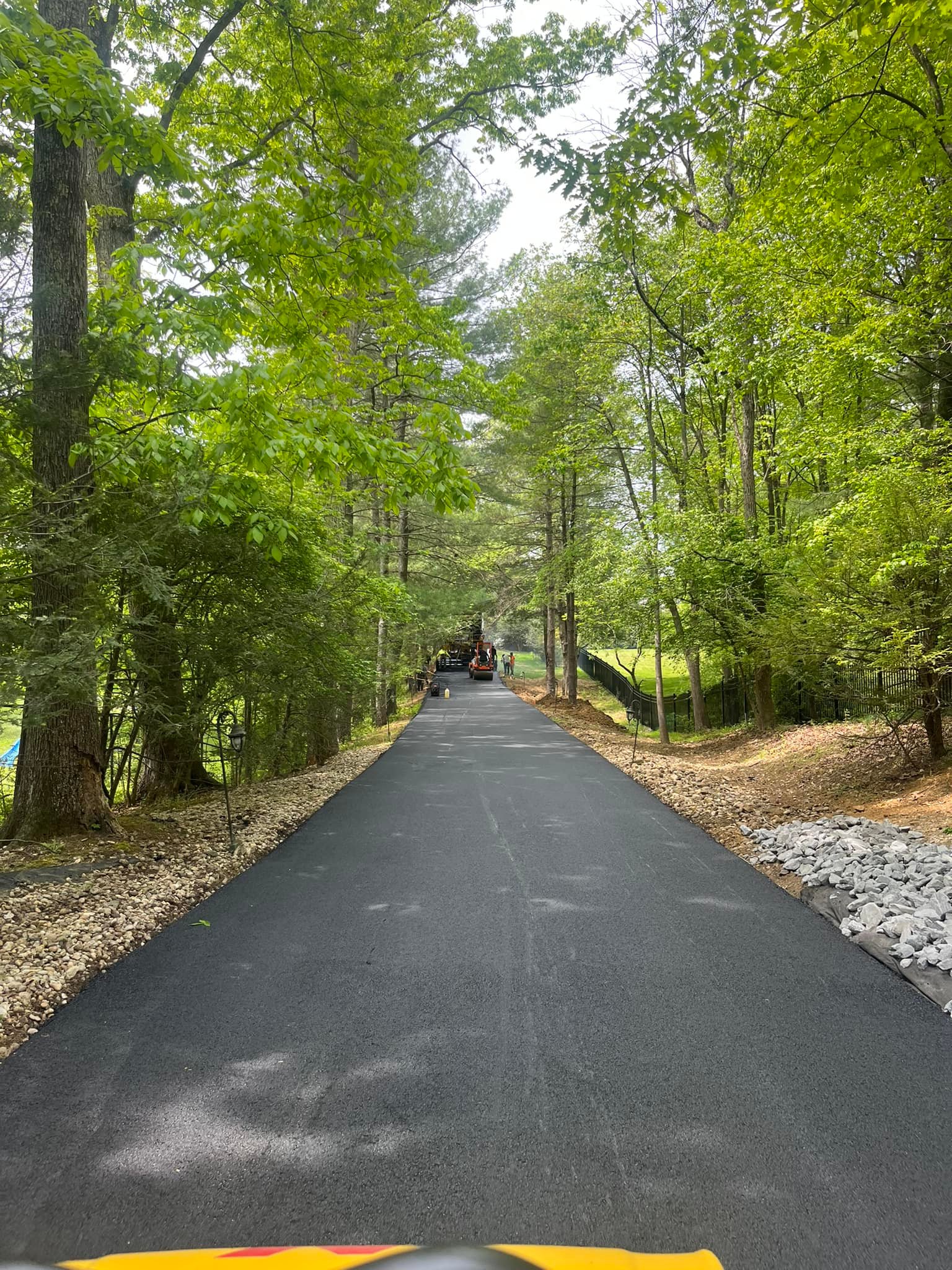
Resurfacing, or overlaying, becomes necessary when the pavement shows widespread wear but the foundation remains intact. This process involves adding a new layer of asphalt over the existing surface, effectively restoring its initial smoothness and longevity. Resurfacing not only improves the aesthetic appeal but also extends the overall lifespan of the pavement.
The application of sealcoating is another valuable tip. Sealcoating acts as a protective layer that guards against sunlight, water, oil, and other harmful substances. It also revitalizes the pavement's appearance, giving it a fresh, new look. Regular sealcoating can significantly prolong the life of your asphalt, making it a cost-effective solution in the long run.
At Stanley & Sons Pavement, we advocate following up any restoration work with a robust maintenance plan. Routine cleaning, periodic inspections, and timely repairs prevent minor issues from becoming major headaches. A well-maintained pavement not only adds to your property's curb appeal but also enhances safety and functionality.
In conclusion, effective asphalt restoration starts with understanding the problem, choosing the right restoration technique, and committing to ongoing maintenance. By following these steps, you ensure your asphalt surfaces remain in optimal condition for years to come. Trust Stanley & Sons Pavement for expert advice and services tailored to meet your unique pavement needs. Make asphalt longevity a priority and enjoy the benefits of a well-preserved, aesthetically pleasing surface.
/filters:no_upscale()/filters:format(webp)/media/9fbe31c1-5b60-40d0-bc80-a67a056f5be3.jpeg)